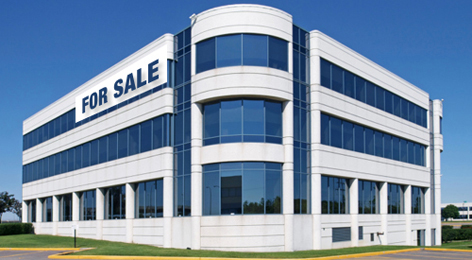
When it comes to building long-term wealth, investing in commercial real estate for sale is one of the most powerful moves an investor or business owner can make. Unlike residential properties, commercial assets offer higher income potential, longer lease terms, and a stable hedge against inflation.
However, diving into the commercial market requires a strategic approach. Whether you are looking for an office building, a retail storefront, or a massive warehouse, here is your ultimate blueprint to making a profitable investment.
Why Invest in Commercial Property Right Now?
The commercial market moves differently than the housing market. If you play your cards right, the returns can be significantly more rewarding. Here is why smart money is moving into commercial spaces:
-
Higher ROI: Commercial properties typically yield an annual return of 6% to 12% off the purchase price, which is much higher than the average residential yield (1% to 4%).
-
Triple Net Leases (NNN): In many commercial setups, the tenant handles building expenses like real estate taxes, insurance, and maintenance costs. This means pure, hassle-free cash flow for you.
-
Long-Term Stability: Commercial tenants usually sign 3 to 10-year leases, giving landlords predictable income security for years.
Key Factors to Consider Before Buying
Before signing any contract, you need to look beyond the price tag. A premium property in the wrong location can quickly become a financial burden. Keep these pillars in mind:
1. Location and Accessibility
For retail and office spaces, foot traffic and transport links are everything. For industrial properties, proximity to major highways, ports, and railway networks is crucial. Always analyze the local infrastructure projects planned for the next 5 years.
2. Zoning and Property Regulations
Never assume a property can be used for your specific business goals. Check local zoning laws carefully. A space zoned for a retail shop might not be legally allowed to operate as a restaurant or a distribution hub without a tedious rezoning process.
3. Market Trends & Vacancy Rates
Look at the neighborhood’s economic health. High vacancy rates in the surrounding area are a red flag, signaling either decreasing demand or overvaluation. Aim for areas with low vacancy rates and growing business activity.
How to Spot the Best Deals
Finding undervalued commercial real estate for sale requires a mix of digital research and boots-on-the-ground networking.
-
Leverage Specialized Platforms: Don’t rely on basic listing sites. Use dedicated commercial property search engines to filter by cap rates, square footage, and specific use cases.
-
Work with a Commercial Broker: A specialized commercial broker has access to “pocket listings”—deals that are sold off-market before they ever hit public websites.
-
Analyze the Cap Rate: The Capitalization Rate (Net Operating Income divided by the Current Market Value) tells you the property’s potential rate of return. A cap rate between 5% and 8% is generally considered healthy in a stable market.
Final Thoughts
Investing in commercial property is one of the fastest ways to scale your portfolio, but it requires patience and due diligence. By understanding local market dynamics, calculating your metrics accurately, and securing the right location, you can turn a simple property into a lifelong cash-generating machine.