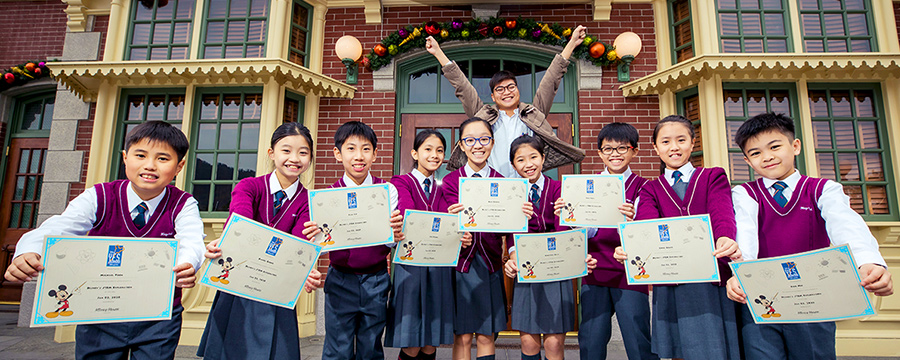
The youth education series has emerged as a groundbreaking approach to modern learning, reshaping how young minds engage with the world around them. Traditional schooling often focuses heavily on rote memorization. But today’s fast-paced digital economy demands a shift toward critical thinking, practical skills, and emotional intelligence.
By bridging the gap between classroom theory and real-world application, a well-structured educational series provides young learners with the tools they need to thrive.
Why Modern Learners Need a Youth Education Series
Education is no longer a one-size-fits-all model. The modern generation faces unique challenges—from navigating complex digital landscapes to preparing for jobs that don’t even exist yet.
Here is why a dedicated youth education framework is essential:
-
Holistic Skill Development: It goes beyond standard subjects to teach vital life skills like financial literacy, coding, emotional resilience, and leadership.
-
Interactive and Engaging Formats: By utilizing multimedia, storytelling, and interactive modules, it keeps young minds captivated far better than standard textbooks.
-
Global Relevance: It prepares students to become global citizens, focusing on sustainability, cultural awareness, and community impact.
Key Pillars of an Impactful Educational Program
To truly resonate with today’s youth and satisfy search intent, a powerful educational curriculum must stand on three core pillars:
1. Future-Proof Skillsets
Classrooms need to integrate STEM/STEAM fields with creative arts. Teaching kids how to analyze data, understand AI basics, and think critically ensures they remain competitive in a rapidly evolving job market.
2. Mental Well-being and Mindfulness
Academic success means nothing without mental health. Incorporating mindfulness, stress management, and emotional awareness into the youth education framework helps students build the resilience required to handle academic pressure.
3. Real-World Problem Solving
When students apply their knowledge to solve real community issues, learning becomes purposeful. Case studies, project-based learning, and community service initiatives turn passive learners into active changemakers.
The Long-Term Impact on Global Communities
Investing in dynamic educational series yields massive returns for society. When young people are equipped with practical knowledge and strong ethical foundations. Innovation thrives, economic disparities shrink, and communities become more resilient.
Ultimately, redefining how we teach the youth isn’t just about higher test scores—it’s about inspiring the next generation of leaders, thinkers, and innovators to build a brighter tomorrow.