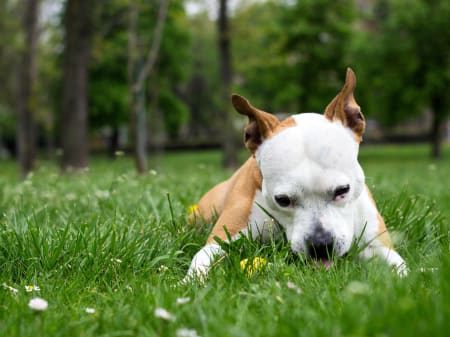
Why do dogs eat grass and throw up? It is one of the most common yet baffling behaviors that pet parents witness, often leaving them wondering if their furry friend is sick or just acting strange. While it can be alarming to watch your canine companion munch on the lawn only to lose their lunch minutes later, the reasons behind this behavior are rooted in evolutionary history, dietary needs, and natural instincts.
In this comprehensive guide, we will break down the exact science of why dogs eat grass, when it’s completely normal, and when it might be a sign that a trip to the vet is necessary.
1. The Myth vs. The Reality: Do They Do It To Induce Vomiting?
For decades, the go-to assumption was that dogs instinctively eat grass to make themselves throw up when they have an upset stomach. However, modern veterinary research suggests this isn’t always the case.
-
The Statistics: Studies show that fewer than 10% of dogs show signs of illness before eating grass.
-
The Reality: Only about 25% of dogs actually vomit regularly after eating it.
Instead of a deliberate attempt to purge, vomiting is often just a physical byproduct of swallowing long, coarse blades of grass, which tickle and irritate the lining of the throat and stomach.
2. Pica and Dietary Deficiencies
Sometimes, the urge to eat non-food items—a condition known as pica—points to a gap in your dog’s nutrition.
-
Fiber Intake: Grass contains a high amount of natural fiber. If your dog’s regular kibble lacks enough roughage, they might instinctively turn to your backyard to help aid their digestion and keep their bowel movements regular.
-
Micro-nutrients: Raw grass contains vitamins and chlorophyll. A dog lacking certain vitamins might try to supplement their diet naturally.
3. Boredom, Anxiety, and Psychological Triggers
Dogs experience stress and boredom just like humans do. If a dog is left alone in a yard for long periods without mental stimulation or toys, grass-eating can become a compulsive habit or a way to pass the time.
If you notice your dog grazing mostly when they are anxious, pacing, or left alone, it might be an emotional response rather than a physical one.
4. They Simply Like the Taste!
We shouldn’t overlook the simplest explanation: many dogs actually enjoy the taste and texture of fresh, dew-covered morning grass. It’s crunchy, juicy, and offers a sensory experience that dogs find appealing, especially in the spring and summer months when new shoots are sweet.
The Danger Zone: When Should You Be Worried?
While occasional grazing is harmless, you need to watch out for certain red flags:
| Situation | Action Required |
| Chemicals & Pesticides | Avoid letting your dog eat grass in public parks or treated lawns, as herbicides can be highly toxic. |
| Parasites | Snails, slugs, and other dog feces on grass can carry hookworms, roundworms, or lungworm larvae. |
| Frequent Vomiting | If your dog throws up multiple times a week or stops eating their regular food, consult a vet immediately. |
Key Takeaways for Pet Parents
If your pup occasionally enjoys a green snack and seems perfectly happy and healthy otherwise, there is usually no need to panic. To be safe, ensure they are on a high-quality diet, keep them mentally stimulated, and always make sure the grass they have access to is chemical-free.