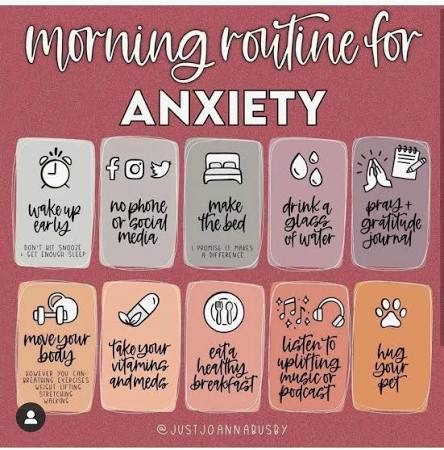
Morning routine for anxiety relief is one of the most effective ways to regain control of your day before the stress of daily life takes over. If you wake up with a racing heart, a mind full of dread, or that uncomfortable knot in your stomach, you are not alone. Morning anxiety is a scientifically proven phenomenon, often driven by the natural spike of cortisol (the stress hormone) that occurs right after waking up.
However, you don’t have to let anxiety dictate the rest of your day. By implementing a structured, mindful morning sequence, you can intercept the stress response and train your brain to start the day from a place of peace. Here are five powerful, evidence-based steps to build a morning routine that genuinely relieves anxiety.
1. Ditch the “Snooze” and the Smartphone
The way you wake up sets the tone for your entire nervous system. Hitting the snooze button repeatedly creates fragmented sleep, which actually increases grogginess and stress.
Even worse? Reaching for your phone the second you open your eyes. Checking emails, news, or social media immediately floods your brain with dopamine spikes and external stressors. Instead, give yourself at least 20 to 30 minutes of screen-free time after waking up to let your mind settle naturally.
2. Practice the 4-7-8 Breathing Technique
When anxiety strikes, your sympathetic nervous system goes into overdrive. You can consciously switch to your parasympathetic nervous system (the “rest and digest” mode) using deep breathing exercises.
Before even getting out of bed, try the 4-7-8 method:
-
Inhale quietly through your nose for 4 seconds.
-
Hold your breath for 7 seconds.
-
Exhale completely through your mouth with a “whoosh” sound for 8 seconds.
-
Repeat this cycle 4 times. This acts as a natural tranquilizer for the nervous system.
3. Hydrate Before You Caffeine
Many people reach for a strong cup of coffee first thing in the morning, but caffeine is a powerful stimulant that mimics the physical sensations of panic (increased heart rate, jitteriness). If you are already prone to morning anxiety, caffeine can amplify it.
Start your morning with a large glass of water instead. Mild dehydration can actually trigger anxiety and mood swings. If you must have caffeine, drink it after you’ve had water and a light breakfast to buffer the impact on your stomach and cortisol levels.
4. Move Your Body Mindfully
You don’t need an intense, high-impact workout to relieve anxiety. In fact, gentle, mindful movement is often better for lowering stress hormones.
Spend 10 minutes doing light yoga, stretching, or taking a brisk walk around your neighborhood. Physical activity releases endorphins (natural mood lifters) and helps burn off the excess adrenaline and cortisol that build up overnight.
5. Implement a “Brain Dump” Journaling Session
Morning anxiety often feels like a chaotic web of thoughts. A “brain dump” is the practice of writing down absolutely everything on your mind without filtering or editing it.
Grab a piece of paper and write out your worries, your to-do list, or even just random thoughts. Getting them out of your head and onto paper strips them of their power. Follow this up by writing down three things you are genuinely grateful for to shift your brain’s focus from threat-detection to positivity.
The Power of Consistency
A morning routine for anxiety relief isn’t a magical, one-time cure. Its true power lies in consistency. By dedicating just 20 to 30 minutes every morning to grounding yourself, you build long-term resilience against stress, ensuring you step into the world feeling anchored, calm, and in control.