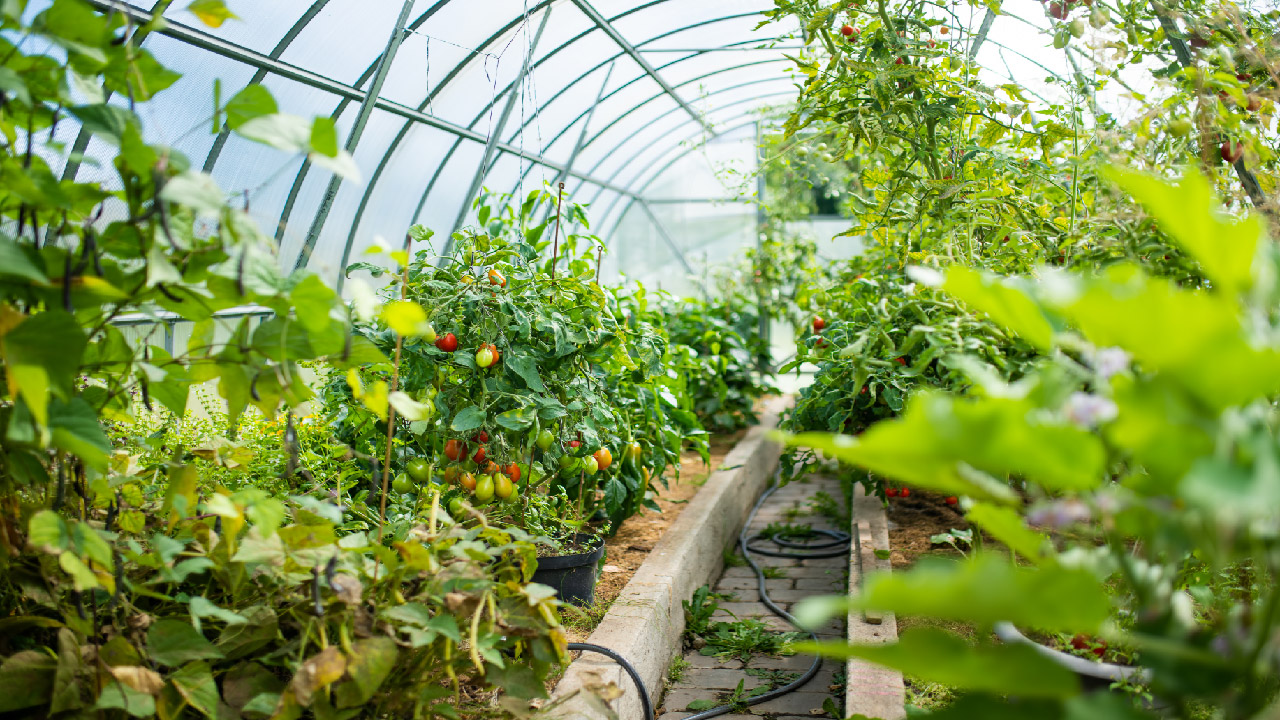
Greenhouse gardening tips are essential for anyone looking to transform their backyard into a year-round paradise of fresh produce and vibrant flowers. While the idea of controlling your own microclimate is exciting, stepping into the world of protected cultivation can feel a bit overwhelming at first. From managing humidity to optimizing light, success lies in mastering the fundamentals.
If you want to maximize your harvest and keep your plants thriving through every season, here is the ultimate guide to mastering your greenhouse environment.
1. Master the Art of Climate Control
The biggest advantage of a greenhouse is weather control, but that means the responsibility of regulating temperature falls entirely on you.
-
Ventilation is Key: On hot summer days, temperatures inside a glass or polycarbonate structure can skyrocket, scorching your plants. Install automatic roof vents or louvers to let trapped heat escape.
-
Heating for Winter: For year-round growing in colder US zones, invest in a reliable greenhouse heater or use passive solar techniques (like dark water barrels that absorb heat during the day and radiate it at night).
2. Optimize Light Distribution
Plants need light, but too much direct, intense sunlight can burn delicate leaves.
-
Shade Cloths: During peak summer, use a 30% to 50% shade cloth to filter intense afternoon sun.
-
Supplemental Lighting: In the dead of winter, when daylight hours are short, LED grow lights can give your veggies the extra boost they need to stay productive.
3. Keep a Close Eye on Humidity and Airflow
Stagnant air and high humidity are an open invitation for pests and fungal diseases like powdery mildew.
-
Add Oscillating Fans: Keep the air moving constantly. A gentle breeze strengthens plant stems and prevents damp pockets of air from settling.
-
Water Early: Always water your plants in the morning so the excess moisture on leaves has time to evaporate before the temperature drops at night.
4. Choose the Right Growing Medium
Because greenhouse plants are often grown in pots, raised beds, or modular trays, ordinary garden soil won’t cut it.
-
Use High-Quality Potting Mix: Opt for a loose, well-draining mix enriched with perlite, vermiculite, and organic compost. This ensures roots get plenty of oxygen and don’t sit in soggy water.
5. Implement Integrated Pest Management (IPM)
A greenhouse is a paradise for plants, but it’s also a paradise for pests like aphids, whiteflies, and spider mites. Because there are no natural predators inside, an infestation can spread rapidly.
-
Inspect Regularly: Check the undersides of leaves at least twice a week.
-
Introduce Beneficial Insects: Releasing ladybugs or lacewings inside the greenhouse is a highly effective, natural way to keep pest populations in check.
Summary for Success
Greenhouse gardening is a rewarding journey that blends science with a little bit of green-thumb intuition. By focusing on consistent ventilation, smart watering habits, and temperature control, you can easily extend your growing season and enjoy homegrown harvests all year long.