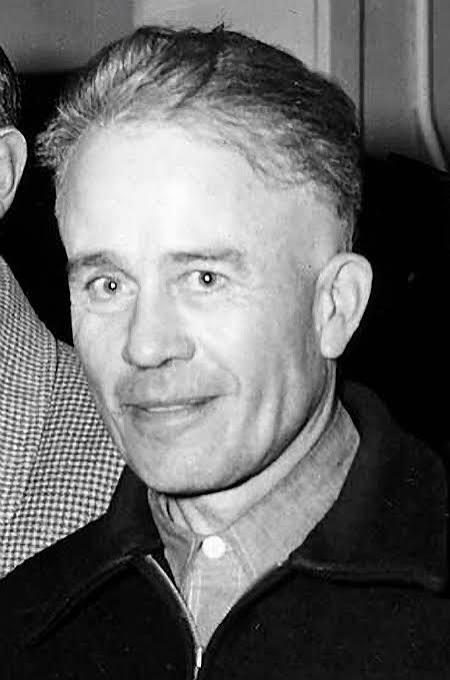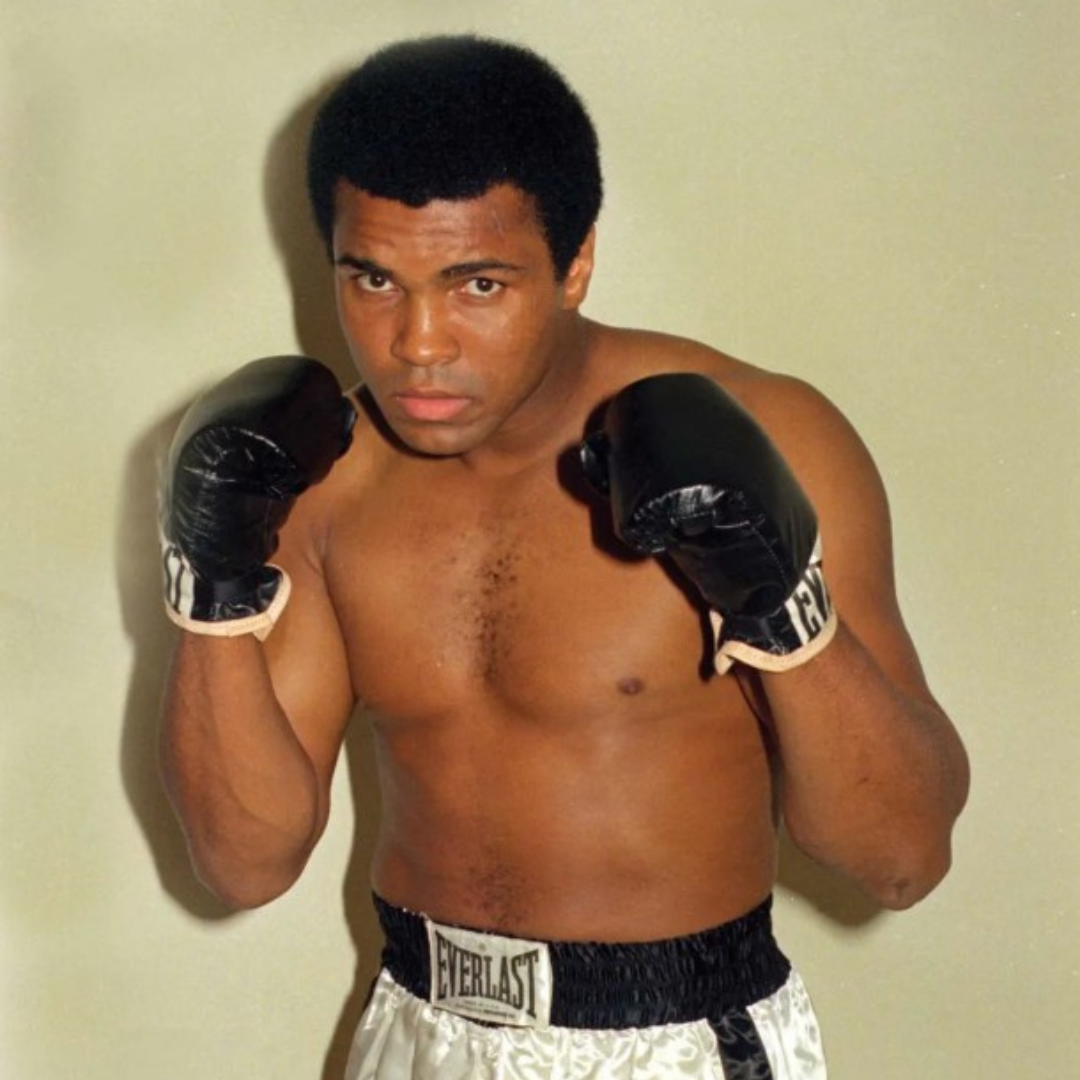
Muhammad Ali Biography tells the inspiring story of a legendary boxer whose achievements inside the ring and courage outside it made him one of the most recognised sports figures in history. Known around the world as “The Greatest,” Muhammad Ali combined extraordinary athletic ability with a confident personality, strong personal beliefs and a determination to stand up for his principles.
Born Cassius Marcellus Clay Jr. on January 17, 1942, in Louisville, Kentucky, Ali transformed professional boxing through his speed, footwork, charisma and competitive spirit. His journey from a young amateur boxer to a three-time heavyweight champion remains an important chapter in sporting history.
Early Life and Childhood of Muhammad Ali
Muhammad Ali grew up in Louisville, where he experienced racial segregation and the social inequalities that affected many African Americans during that period. His father, Cassius Marcellus Clay Sr., worked as a sign painter, while his mother, Odessa Grady Clay, worked as a domestic helper.
Ali discovered boxing at the age of 12 after his bicycle was stolen. He reported the incident to a police officer named Joe Martin, who also trained young boxers. Martin encouraged him to learn how to box, and Ali soon began developing the skills that would define his future career.
Through regular training, amateur competitions and determination, he became a promising young fighter. His early experiences helped shape the confidence and discipline that later made him a household name.
Muhammad Ali’s Olympic Gold Medal
One of the most important milestones in Muhammad Ali’s early career came in 1960. At just 18 years old, he represented the United States at the Summer Olympics in Rome, Italy.
Ali won the gold medal in the light heavyweight division, establishing himself as a talented boxer on the international stage. The victory opened the door to professional boxing and gave him the confidence to pursue his ambitions at the highest level.
After returning home, he turned professional and began building a reputation for his fast movement, sharp punches and unusual ability to avoid incoming attacks. Unlike many heavyweights who relied mainly on strength, Ali used speed and strategy to control his opponents.
Muhammad Ali’s Rise to World Heavyweight Champion
In 1964, Ali challenged reigning heavyweight champion Sonny Liston in one of the defining fights of his early career. Although many observers expected Liston to win, Ali defeated him and claimed his first world heavyweight championship.
The victory established Ali as a major force in boxing. His outspoken personality attracted attention, but his performances proved that his confidence was backed by exceptional talent.
Ali’s fighting style set him apart from traditional heavyweight boxers. He moved lightly around the ring, used quick combinations and often relied on timing rather than brute force. His ability to adapt to different opponents helped him remain competitive throughout a demanding professional career.
He also developed a distinctive public identity. His interviews, predictions and memorable expressions made boxing more entertaining for millions of fans and helped turn him into a global celebrity.
Why Did Cassius Clay Change His Name to Muhammad Ali?
In 1964, after defeating Sonny Liston, Clay announced his affiliation with the Nation of Islam and adopted the name Muhammad Ali. The change reflected his religious beliefs and became a defining part of his personal identity.
Ali later embraced Sunni Islam. His faith influenced his outlook on life and shaped several of the decisions he made during his career.
The name change also attracted considerable public attention. At a time when race, religion and identity were widely debated in American society, Ali insisted on being recognised by the name he had chosen for himself.
His decision demonstrated the importance he placed on personal conviction, even when it brought criticism from the media and sections of the public.
Muhammad Ali and the Vietnam War Controversy
Muhammad Ali’s legacy extends far beyond boxing because of his opposition to the Vietnam War. In 1967, he refused induction into the United States military, citing his religious beliefs and objections to participating in the conflict.
The decision had serious consequences. Authorities stripped him of his heavyweight title, and boxing commissions prevented him from competing professionally during much of his prime.
Ali faced legal proceedings and received a five-year prison sentence, although he remained free while appealing his conviction. In 1971, the United States Supreme Court overturned the conviction.
During his absence from professional boxing, Ali spoke publicly about his beliefs, civil rights and opposition to the war. His stance divided public opinion, but it also strengthened his reputation as an athlete willing to sacrifice professional success for personal principles.
The Greatest Fights in Muhammad Ali’s Career
Ali’s career featured several historic contests that continue to attract attention from boxing fans.
Muhammad Ali vs. Joe Frazier
Ali and Joe Frazier developed one of boxing’s most famous rivalries. Their first meeting, known as the “Fight of the Century,” took place in 1971. Frazier won the contest by unanimous decision, handing Ali his first professional defeat.
Ali later defeated Frazier in their 1974 rematch. Their rivalry helped define heavyweight boxing during the 1970s and demonstrated the determination of both champions.
Muhammad Ali vs. George Foreman
In 1974, Ali faced George Foreman in Kinshasa, Zaire, in the historic contest known as the “Rumble in the Jungle.”
Foreman entered the fight as a powerful champion, but Ali used tactical intelligence and defensive movement to frustrate him. Ali eventually knocked Foreman out in the eighth round, reclaiming the world heavyweight title.
The fight remains one of the most celebrated moments in boxing history because it combined strategic brilliance with an unexpected result.
Muhammad Ali vs. Leon Spinks
Ali faced Leon Spinks in 1978 and lost his championship in their first encounter. However, he returned for a rematch later that year and won by unanimous decision.
With that victory, Ali became the first boxer to win the world heavyweight championship three times. The achievement further strengthened his place among boxing’s all-time greats.
Muhammad Ali’s Professional Boxing Record
Muhammad Ali retired from professional boxing in 1981. His final record included 56 victories and five defeats, with 37 wins by knockout.
His accomplishments included an Olympic gold medal, three heavyweight championship reigns and victories over several leading fighters of his generation.
However, statistics tell only part of his story. Ali changed how heavyweight boxers approached movement, defence and psychological preparation. He demonstrated that speed, confidence and intelligent tactics could overcome opponents known for their physical power.
His career also helped expand boxing’s worldwide popularity, attracting audiences who admired his athletic skills and his larger-than-life personality.
Muhammad Ali’s Personal Life and Family
Muhammad Ali’s personal life attracted considerable public interest throughout his career. He married four times and had nine children, including his daughter Laila Ali, who later became a successful professional boxer.
Laila established her own sporting identity and achieved considerable success in women’s boxing. Her career helped extend the family’s connection with the sport while demonstrating her own talent and determination.
Despite his fame, Ali’s life included personal challenges alongside his professional achievements. His relationships, religious journey and public responsibilities contributed to a complex story that cannot be reduced to boxing alone.
His family remained an important part of his life, particularly during his later years, when health difficulties made public appearances increasingly challenging.
Muhammad Ali’s Health and Later Years
In 1984, Ali publicly disclosed that he had Parkinson’s syndrome, a condition that affected his movement and speech. The illness gradually changed his daily life, but it did not erase his influence or his commitment to humanitarian causes.
Even as his physical abilities declined, Ali continued to make public appearances and support charitable initiatives. His determination to remain engaged with the world inspired many people facing illness or personal adversity.
In 1996, he received worldwide attention when he lit the Olympic flame at the Summer Games in Atlanta. The emotional moment celebrated his extraordinary sporting journey and demonstrated the lasting affection audiences felt for him.
Ali also supported humanitarian work and efforts to encourage peace, understanding and respect across communities.
Awards, Honours and Humanitarian Work
Throughout his life, Ali received recognition for both his sporting achievements and his contributions to society.
In 2005, he received the Presidential Medal of Freedom, one of the highest civilian honours in the United States. He was also recognised internationally for his humanitarian work and efforts to promote peace.
The Muhammad Ali Center opened in Louisville in 2005. The institution celebrates his life, values and achievements while encouraging visitors to explore themes such as respect, confidence, social responsibility and personal growth.
These honours reflect the breadth of Ali’s influence. He became more than a champion athlete; he was a cultural figure whose actions inspired discussions about equality, faith, courage and individual freedom.
When Did Muhammad Ali Die?
Muhammad Ali died on June 3, 2016, at the age of 74, in Scottsdale, Arizona, following a respiratory illness. His death prompted tributes from sports figures, political leaders, entertainers and fans across the world.
His funeral in Louisville brought together people from different backgrounds and communities. The tributes reflected the extraordinary reach of his influence and the respect he had earned throughout his life.
Although Ali had retired decades earlier, his name continued to represent excellence, confidence and the willingness to defend one’s convictions.
Why Muhammad Ali Remains a Boxing Legend
Muhammad Ali’s influence continues because his story combines sporting excellence with personal courage. He entertained audiences through his skill and personality, but he also challenged expectations about the role athletes could play in society.
His career showed that champions can influence public conversations beyond their chosen profession. His opposition to the Vietnam War, commitment to his faith and humanitarian efforts made him a significant figure in modern cultural history.
For boxing enthusiasts, Ali remains an example of technical brilliance and competitive intelligence. For others, he represents self-belief, resilience and the importance of standing by personal values.
The Muhammad Ali Biography is the story of a man who changed professional boxing and left a lasting mark on global culture. From winning Olympic gold in 1960 to becoming a three-time heavyweight champion, Ali achieved milestones that few athletes can match.
His greatest legacy, however, extends beyond victories and titles. Through his outspoken personality, religious convictions, humanitarian efforts and willingness to face controversy, he became an enduring symbol of determination and individuality.
Years after his death, Muhammad Ali continues to inspire athletes, readers and people around the world. His life remains a powerful reminder that true greatness can come from talent, hard work, courage and a commitment to one’s beliefs.