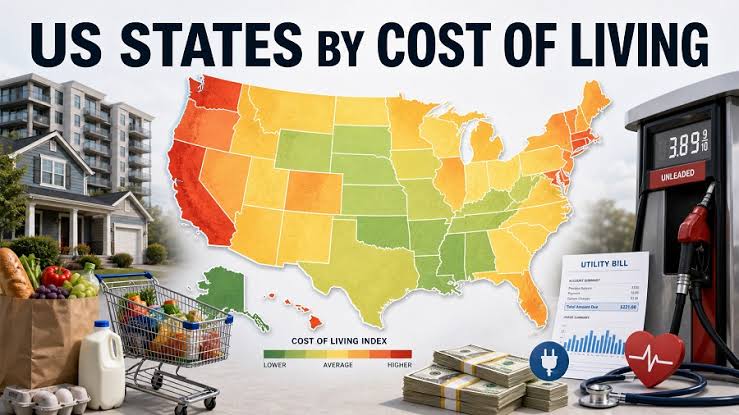
How to survive US cost of living crisis 2026 has become the most critical question for millions of American households as everyday essentials continue to outpace average household earnings. According to recent 2026 economic data, over 54% of U.S.
Adults now rank the surging cost of living as their number one daily challenge. With consumer prices jumping more than 24% over the last few years and rent, transportation, and healthcare costs spiking even higher—relying on traditional budgeting rules is no longer enough.
To maintain financial stability in today’s economy, you need actionable, modern strategies designed to shield your bank account from structural inflation. Here is a definitive guide on how to navigate and conquer the current American affordability crunch.
1. Optimize Housing Costs and Utility Strains
Housing remains the largest wealth-drainer in 2026, with the average U.S. monthly rent hovering around $1,890. If your lease is up for renewal or you are feeling squeezed, generic advice won’t cut it.
-
Consider “House Splitting” or Co-Living: Single-family living is becoming a luxury. Renting out a spare room or partnering with trusted housemates can immediately slash your structural overheads by 30% to 50%.
-
Audit Your Energy Drain: Energy and residential electricity expenditures have spiked dramatically this year. Use smart programmable thermostats, transition entirely to LEDs, and unplug phantom energy drains (electronics that consume power even when turned off).
2. Gamify Your Grocery Budget
The U.S. Bureau of Labor Statistics (BLS) highlights that food at home—specifically fruits, vegetables, and nonalcoholic beverages—has seen massive continuous price adjustments. The estimated monthly grocery bill for an average family now sits close to $1,050.
-
Ditch Pre-Prepped Conveniences: Avoid pre-chopped vegetables, bagged salads, and shredded cheeses. These carry a massive “labor markup” by grocery chains. Buy whole foods and spend 10 minutes prepping them yourself.
-
Leverage Cash-Back and Loyalty Stack: Never shop without scanning store apps for digital coupons. Layer these savings by uploading your final receipts to cash-back apps like Ibotta or Fetch Rewards to claw back dollars on everyday essentials.
3. Attack Variable-Rate and High-Interest Debt
As central banks have maintained higher interest rates to cool down the economy, variable debt especially credit card balances has become incredibly dangerous.
-
The Minimum Payment Trap: When interest rates are elevated, making only the minimum payment on your credit cards often covers just the accumulating interest, leaving your principal balance completely untouched.
-
Prioritize the Avalanche Method: Direct every extra dollar toward your highest-interest variable loans first, while maintaining fixed-rate debts on autopilot, as fixed debts are inherently insulated from sudden inflation shocks.
4. Build a Lifestyle Insulated from Inflation
Surviving this economic shift requires adapting your lifestyle habits to the “new normal.”
-
The 50/30/20 Reset: Re-evaluate your budget. If your essential needs (housing, groceries, insurance) now swallow 65% of your income due to the 2026 crisis, scale back your discretionary “wants” to 15% to ensure your 20% savings and debt-clearing goals stay intact.